
This article was co-written with Anush Naghshineh and Jenny Tsao.
The post-digital return to physical experiences and authentic connections
Do you remember the rush of excitement when you finally attended your first post-pandemic concert? That time when the bass reverberated through your chest and you shared glances with strangers turned temporary friends? That feeling – that’s what we’ve been missing.
As marketers, we’ve mastered digital engagement. We’ve perfected personalized emails, refined our social media algorithms, and can target customers with laser precision. Yet something fundamental happens when we meet face-to-face that no perfectly crafted email can replicate.
Consider your own behavior as a consumer. That wine you discovered while chatting with a passionate sommelier at a local tasting. The clothing brand you fell in love with at a pop-up shop where you could feel the fabric. The loyalty you feel toward the coffee shop where the barista remembers your name. These physical touchpoints create emotional connections that digital simply can’t match.
And here’s where it gets interesting… what works in B2C marketing holds powerful lessons for B2B. Think about it: behind every corporate decision is a human being who responds to authentic connections just as powerfully as they do in their personal lives.
And yet, I hear the concerns.
“Physical experiences are expensive.”
“The ROI is hard to measure.”
“Digital scales better.”
These are valid points. But digital fatigue is real. The occasional handwritten note or in-person meeting becomes the rare moment that builds genuine relationships and trust.
This isn’t about demonizing digital. It’s about finding the sweet spot where technology enhances rather than replaces human connection. It’s about creating moments that matter in a world increasingly starved for authentic interaction.
As you read on, we’ll look at brands that are getting this balance right…from retailers creating immersive shopping experiences to B2B companies transforming industry events from obligatory networking (briefing centers!) into genuine relationship catalysts. The lessons cross industries and offer a roadmap for all of us looking to create meaningful connections in an increasingly virtual world.
The Growing Preference for In-Person Interactions and Experiences
The pendulum is swinging back toward real-world connections. According to research from Qualtrics XM Institute, 62% of consumers prefer using one of three human-mediated channels.
Chatting with a person on a computer
Talking with someone on the phone
Meeting with someone in person
This shift is now showing up broadly, with 45% of consumers primarily shopping in brick-and-mortar stores. Each week, 72% of consumers now shop in-store. It is projected that in 2025, nearly 72% of sales will occur in brick-and-mortar retail stores. Despite all the e-commerce hype, most shopping still happens in the real world. While younger generations like Gen Z prefer online shopping, 38% of them choose in-store shopping as their preference. Despite their strong online bias, these digital natives aren’t abandoning physical spaces.
The hospitality industry tells a similar story. Almost two-thirds of travelers today said they often or always book a hotel based on access to local experiences, according to Hilton’s “2024 Traveler” report. People aren’t just booking rooms anymore; they are booking experiences. They want to experience connections with the local community and culture.
Even wellness has gone physical. Booking.com finds that 70% of travelers prioritize wellness when booking travel. In 2024, hotels and resorts expanded their amenities to include more wellness options, such as yoga studios, fitness offerings, meditation spaces, and healthier food and beverage options.
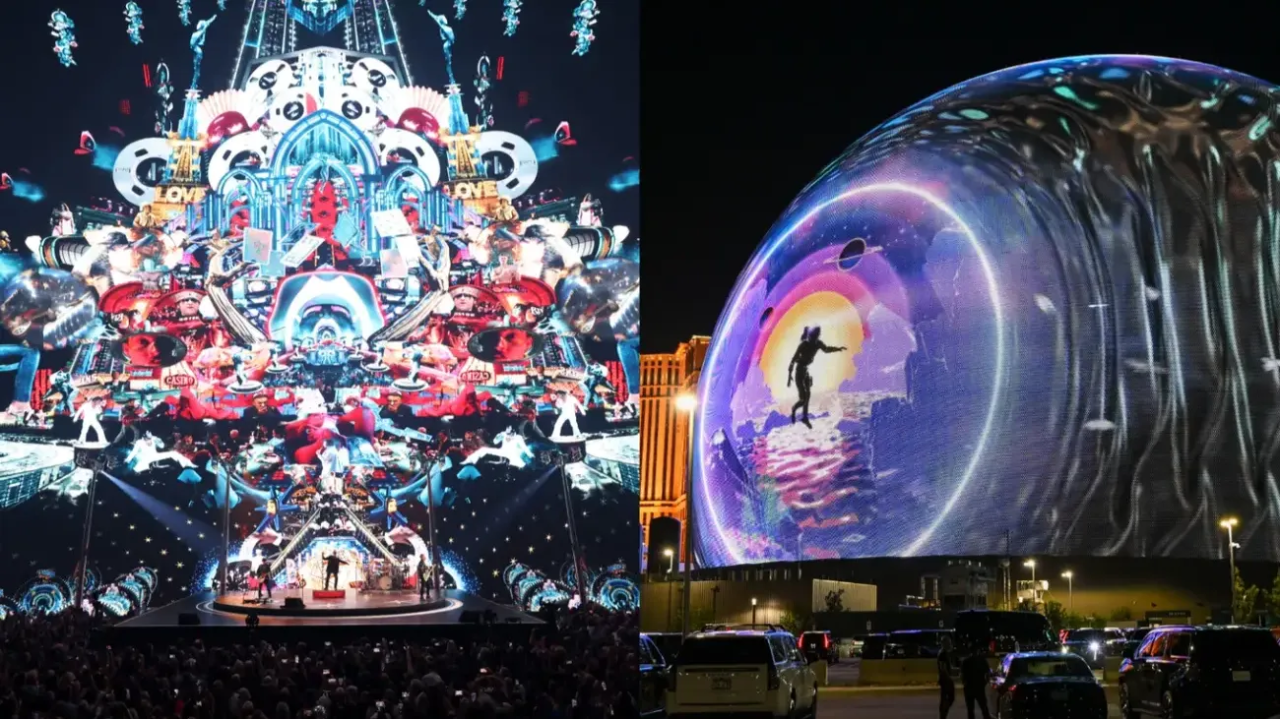
The power of immersive physical experiences extends beyond traditional retail and hospitality settings. Consider U2’s groundbreaking Sphere experience in Las Vegas. A $2.3B immersive venue where technology doesn’t replace the physical experience but rather amplifies it to create something impossible to replicate digitally. This represents the pinnacle of what we might call “amplified reality” – where digital elements enhance rather than replace physical presence, creating emotional connections and memories that persist long after the experience ends.
Business Implications Across Retail, Hospitality, and Service Industries
Businesses across every industry need to rethink how they provide in-person customer experiences. In retail, stores providing outdoor experiences and green spaces are charging up to 25% more for products. People pay more for a better in-person experience, and retailers are transforming their spaces into destinations where shopping becomes an event.
Hospitality has been leading in this trend. For example, during singer Taylor Swift’s Eras Tour, Loews Hotels curated pre-show events at multiple properties, offering “Swifties” cocktails, photo backdrops for social media shoots, bracelet-making lessons, and in-room playlists.
Airbnb’s recent 2025 Summer Release doubled down on this idea, launching features that position stays as more than accommodations – their experiences. Their messaging? “It’s not just about where you stay, it’s about what you do once you’re there.” With enhanced experiences tied to local communities, they’re recognizing that travel is as much about emotional resonance as it is about logistics.
What are some other impacts this trend is having on business in general? It will be more challenging to compete by providing digital-only customer service. Consumers see AI chatbots and voice response units as providing an inferior experience. More than three in five consumers (62%) say they will speak up when they are provided with poor service and experiences. People expect excellence, whether they’re chatting with your AI bot or talking to a human in your store, and they want a high level of care and attention.
Successful businesses understand that winning is about creating a seamless experience that flows between digital and physical touchpoints. When customers research online and then buy in-store, when they check reviews on their phone while standing in your showroom, and when they want human help after trying your chatbot, successful businesses make all these transitions invisible.
Balancing digital convenience with meaningful physical touchpoints
The future isn’t anti-digital, it’s phygital: the seamless integration of physical and digital moments. Businesses must strike a nuanced balance between convenience and connection.
Use tech to reduce friction (e.g., mobile check-ins, online booking, virtual queues), but invest in human-led moments that delight. For instance, digital ordering paired with hand-delivered, personalized service.
Create offline exclusives: in-person experiences or offers that can’t be replicated online like hands-on workshops, meet-the-founder sessions, or scent trials in beauty stores.
Rethink KPIs: move beyond speed and scale to measure emotional engagement, return visit likelihood, and experience-driven referrals.
In enterprises, blending physical and digital experiences is emerging as a powerful strategy to build trust, accelerate deal cycles, and deepen long-term client relationships. Executive briefings, strategy workshops, site visits, and industry events provide confidence, context, and consensus across multiple stakeholders. This is achieved by combining the efficiency of digital tools (like virtual demos, automated onboarding, and data-driven personalization) with the depth and emotional impact of physical interactions.
Both enterprises and consumers now demand that brands honor both their time and their humanity. Winning companies will choreograph experiences that feel both efficient and intimate.
Case studies: Brands successfully blending digital and physical experiences
- Nike Live: Nike’s “Live” stores are hyper-local, community-driven retail hubs where data from app users informs the inventory. Shoppers can reserve shoes online, try them in-store, and attend local wellness events all within a digitized but deeply human space.
- Starbucks Reserve Roasteries: Blending mobile ordering with immersive coffee theatrics, these flagship spaces create a multi-sensory customer journey from live roasting to storytelling baristas. It’s theater-meets-tech.
- Deloitte: Their Greenhouse locations use neuroscience, behavioral design, and cross-functional workshops to help clients tackle strategic challenges in a co-creative setting. Think war rooms, whiteboards, prototyping, all in person.
- Salesforce: Dreamforce invites enterprise buyers into private lounges, roundtables with Marc Benioff, and exclusive networking experiences. The goal: deepen relationships with C-level executives through strategic, in-person interaction.
These brands don’t view physical as a cost center, they see it as a canvas for loyalty, emotion, and brand storytelling.
Creating texture and authenticity in customer experiences
Nike, Starbucks, Deloitte & Salesforce have figured out something crucial. Physical experiences aren’t costs to minimize but investments that create connections algorithms simply can’t.
As marketers, our challenge isn’t choosing between digital efficiency and human touch. It’s orchestrating both to create moments that matter.
When your B2B competitor sends another automated email sequence, imagine the impact of a thoughtfully curated in-person experience that speaks directly to your client’s challenges. When everyone’s fighting for attention in the same digital channels, a real-world touchpoint becomes the standout moment.
The value often reveals itself beyond immediate metrics – through loyalty, word-of-mouth, and the premium customers willingly pay for brands that make them feel something.
The future belongs to brands that master this balance like Airbnb, who now competes not just on listings but on experiences that connect travelers to place, people, and purpose. The question isn’t whether you can afford to invest in meaningful physical touchpoints, but whether you can afford not to.